

Minor Horse Wounds: Abrasions and Small Cuts
Minor horse wounds such as small cuts and abrasions tend to be part-and-parcel of equine ownership. Horses are like bold children, coming in from the field with their knees all scraped after playing too hard with their friends. For such a graceful animal, they can be incredibly accident-prone and can easily get hurt or injured in the normal course of a day by; running into obstacles, fences, nails, wire etc. This can lead to varying degrees of wounds and injuries, but knowing when we can effectively manage these minor ones at home without the necessity for professional intervention, is of itself a skill and definitely one worth developing. Fortunately, many wounds fall into this bracket and tend to be both small and superficial. It is worth noting, however, that anything that looks more sinister or is close to joints/tendons, probably requires veterinary assistance.
Assessing the Wound
If you happen to notice a minor wound while your horse is out at pasture, it is important to bring them back into the yard as soon as possible. This serves a dual purpose: firstly; we reduce the risk of further contamination, and secondly; we can make a crude assessment of any accompanying lameness (depending of course where the wound is located). We can also use this opportunity to assess their level of comfort and whether or not the wound is actively bleeding. In the fortunate instance that we find there is nothing more than a superficial injury or abrasion it is important to know how to proceed.
When we have our horse safely back in the yard, if they will safely allow it, we need to have a gentle probe of the area. In doing this we are trying to assess if it is just an abrasion or is there something more going on. By probing around the area, we can ensure that it feels flat and we are not finding a flap of tissue or a feeling of bubble wrap that might indicate a bigger issue.
First Aid Kit
Having a well-stocked first aid kit (and knowing where it’s kept) is an absolute must for both human and horse injuries. Some useful things to consider for your equine first aid kit include:
- Cotton wool or gauze
- Bandage material
- Chlorhexidine or iodine based scrub
- Clean bucket (specifically for this kit!!)
- Scissors
- Latex or vinyl gloves
- Towel(s)
- Veterinarians number (just in case of course)
Managing Abrasions
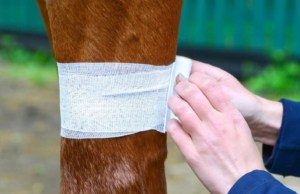 Once we have identified that there is no need to enter “panic mode” and call for emergency back-up, we need to make a plan. Remember that good first aid relies heavily on cleanliness and hygiene. Washing our own hands is the first step to ensure we don’t introduce any additional contamination into the area. Then, we need to clip any excess hair that is lying over or around the wound. Not everyone will want to do this, but it is a great help in allowing air to circulate properly and stop unwanted material from sticking to the wound. Secondly, we need to flush the area. Cold hosing is great for these superficial injuries that are not involving deeper tissue or structures. This also has the possible added benefit of helping to reduce some of the bruising which is quite often associated with these injuries. Thirdly, we want to clean the wound using either a chlorhexidine or iodine-based scrub. This should be diluted to the required amount in lukewarm water and the wound cleaned using gauze or cotton. We do this step to ensure that we eliminate all debris and dirt. Fourthly, flush again. Fifthly, and finally, we dry the wound and surrounding area and apply an antiseptic. Ideally, we want to use something that will act as a barrier to prevent new debris from contaminating the site but also allow it to breathe, thereby promoting the healing process. Sprays are ideal for this as they avoid the possibility of cross contamination that dipping our fingers into a tub or cream or ointment could generate.
It goes without saying, that if something looks more serious or has given cause for concern then calling your vet is the right course of action. Finally, with all horse wounds including minor horse wounds, there is a risk of tetanus. We can do our best to minimize this risk by ensuring our horses are kept up to date with their yearly vaccination against tetanus (but that’s a topic for another day).
Written by Dr Ian Rountree MVB
SCP 200ML
Antiseptic wound spray
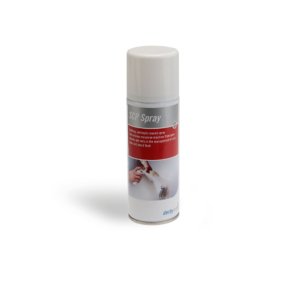
Veterinary-formulated, SCP powder spray is a soothing, antiseptic wound spray that removes excessive moisture from wounds and aids in the management of cuts, sores and proud flesh.
The specially selected ingredients (Zinc Oxide, Oregano Oil, Teatree Oil and Marigold Oil) soothe sensitive and irritated areas of the skin, disinfect and decrease skin tension. SCP Spray soothes itching and reduces the tendency to scratch. Chamomile and Arnica oil have a soothing effect and have been used for centuries to aid in the healing process.
To buy SCP, click this link


