

The start of the Thoroughbred breeding season is a busy transition. Stallions move quickly from a quieter routine into regular coverings, and those first few weeks often set the tone for how the rest of the season will run.
From a handler’s point of view, the aim is straightforward: keep the stallion producing well, keep the quality consistent, and make sure he stands up to the increasing workload.
Semen quality at this stage is influenced by more than just what’s happening on the day. Sperm production is a continuous process, so what a stallion is producing now has been developing over the past number of weeks. That’s why early-season management still has a direct impact on what you’re seeing in the covering shed.
As workload builds, it’s not unusual to see some variation. A stallion may take a little time to fully hit his stride, or there may be small dips in consistency between coverings. Often, these changes come back to what’s happening at a cellular level particularly around sperm structure, protection, and ongoing production.
One of the key components of sperm cells is fat specifically omega fatty acids such as EPA and DHA. These are part of the structure of the sperm membrane itself. When levels are right, they help maintain strong, functional sperm that move well and perform as they should. If that balance isn’t there, it can show up as reduced motility or less consistent quality.
Alongside structure, protection is just as important. Sperm cells are quite sensitive and can be affected by the increased demands of the breeding season. As workload increases, so does the level of stress on the system, and this can impact sperm quality. Antioxidants, particularly Vitamin E, play an important role here by helping to protect sperm cells and maintain their function during busy periods.
At the same time, the stallion needs to keep producing new sperm at a consistent level. This is where nutrients like Vitamin A come in. It supports the normal development of sperm cells, helping to maintain both output and quality as covering numbers increase.
How these nutrients are delivered also matters. Oil-based formulations are particularly effective, as they help with the absorption of fat-soluble vitamins and provide a useful source of energy for stallions that are working regularly.
Taken together, these elements structural support from omega fatty acids, protection from antioxidants, and support for ongoing production all contribute to maintaining semen quality during the early part of the season.
In a Thoroughbred system, where every covering counts, consistency is key. Small variations early on can become more noticeable as workload increases, so putting the right support in place from the outset makes a practical difference.
This is the thinking behind targeted nutritional approaches such as Spermafert, which combines these key ingredients to support sperm production, motility, and overall semen quality during the breeding season.
At the start of the season, it’s not about overcomplicating things. It’s about making sure the basics are right and that the stallion has the support he needs to perform consistently from the first cover onwards.
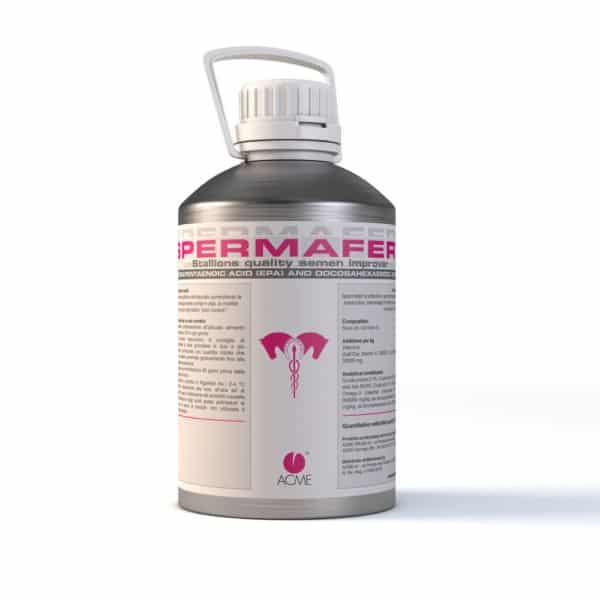
Spermafert
Spermafert helps to support the process of spermatogenesis and the quality of the ejaculate, which aids fertility of the stallion. In particular, it supports daily sperm production and the percentage of live spermatozoa with a normal morphology. It supports motility after semen thawing or refrigeration, particularly in stallions considered to have poor semen quality post thaw.


