TRAVELLING THOROUGHBRED STALLIONS AROUND THE WORLD
Thoroughbred stallions are increasingly becoming dual-hemisphere breeders, with Southern Hemisphere breeders demanding European blood to be injected into the industry. In this article, Dan Briggs from ARKequine describes his experience of travelling with some of the world’s top stallions from the UK to New Zealand for some of the most established studs in the game.
PREPARATION
Preparation is key. We usually begin preparing in and around June, planning where the horses will quarantine, organising the tests, paperwork and the transport over to England where we quarantined before flying to New Zealand.
Before leaving, we pack all things needed for the journey and for the horse’s time in New Zealand. Horses would spend around 3 months in New Zealand – items such as, headcollars, rugs, and each horses’ specific requirements were packed. We would be leaving the UK around the end of summer but arriving in New Zealand at the end of their winter, so we had to prepare for a mix of seasons, ensuring we had sufficient rugs for the cold, frosty mornings there, through to the heat in December.
QUARANTINE (UK side)
When quarantine started, the horses would be kept in their own isolated yard located at Barton Stud. I had 4 horses under my care. We would take their temperatures twice a day, and the vets would take nasal swabs, bloods and other tests needed for travel. The horses would be lunged daily and then turned out in their own paddock to enjoy some down time. They would typically be quarantined for a minimum of 21 days before travelling.
All the horses under my care had travelled to New Zealand before so we had history on how they coped with the journey. Some would require a Duphalyte IV drip (which is full of vitamins and minerals) administered by the vet prior to the flight and even during the flight to combat travel sickness. Others would always have an electrolyte paste just before flying, throughout the flight and on arrival in NZ. This ensured the horses were gaining essential salts and encouraged them to drink during the flight.
TIME TO TAKE TO THE SKY.
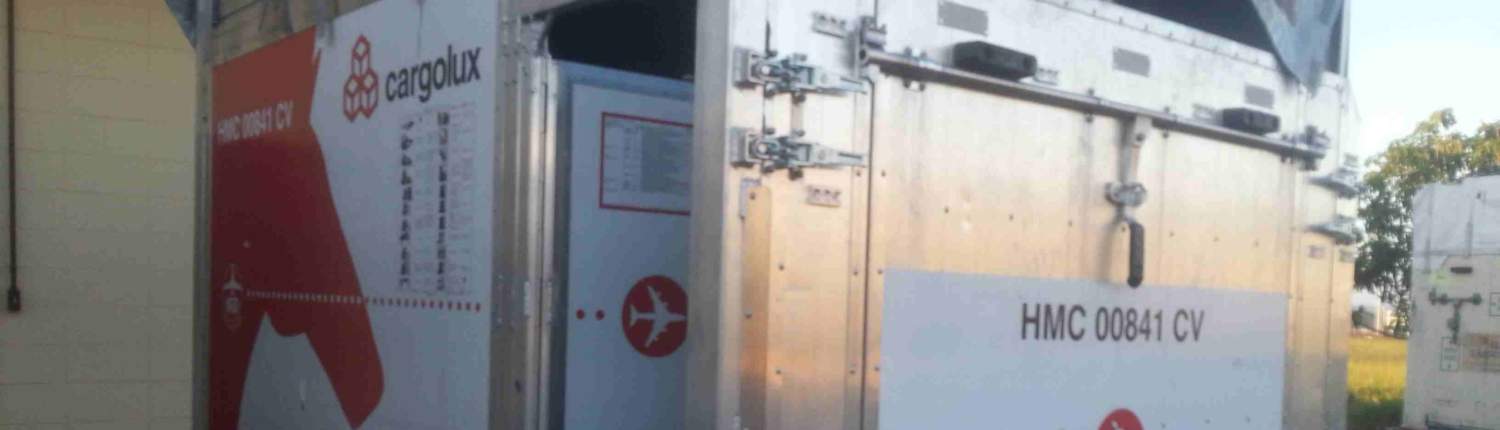
Horses travel in specially designed crates, either in pairs or individually – as they may require more space to move about once in the sky. All in all, horses travel exceptionally well on planes, although I have been on flights where we have had to administer sedation to calm horses down, but this is all part of the journey.
From the tarmac we are lifted onto a cargo plane. There is space at the front of the crate for the grooms to stand if need be to keep the horses calm during this process, there is a lot of banging and sliding around but most horses remain calm and happily eat their hay.
Once loaded the horses are checked and then we would go and find our seats on the plane. The planes were often full of weird and wacky cargo, we flew with military vehicles and even a custom Rolls Royce car.
Our seats were upstairs, usually around 8 business class size seats, with direct access to the pilots. Unfortunately there wasn’t any air stewards or stewardesses, so the grooms, vets and pilots were left to fend for themselves – free access to ready-meals and an oven was often appreciated.
The flight time was typically around 36 hours, stopping a couple of times to fuel up, pick up more cargo, or horses. We would offer water every hour and a half, we would have to tap the pilot on the shoulder to let them know we were going down to the hold and grab an oxygen mask and bottle just in case anything was to happen down there. We would keep an eye on any horses that didn’t look right and notify the vet if necessary, often the vets had a lovely chilled journey and would sleep for most of it!
ARRIVING IN NEW ZEALAND
During take-off and landing we are not allowed down in the hold, so it is crucial we get down to the stallions as soon as possible to check they are alright. One flight I was on, the pilots were betting between themselves how short they could make the landing, I quickly reminded them how much the horses on board were worth and they soon changed their minds.
Once landed, we would be unloaded, a quick health check by the vets and then reloaded on to horse boxes. These boxes were tagged shut and not to be opened until we arrived at the quarantine facility in Karaka, near Auckland. We would have all the essential items for the horses in our rucksacks as the rest of the gear had to be checked, disinfected and would not be returned to us until the next day.
I would administer an electrolyte paste once the horses are in their stables and settled. A nice wet mash feed would be given to the horses to prevent any colic and then the horses would be monitored thoroughly until all were settled. The following day the vets would visit and begin the testing protocols. The stallions would be required to be in quarantine for 14 days. We would need to shower in and out of the yard, with strict rules to be followed. Often, this stint of quarantine would be a little boring for the horses, not much time in a paddock, so it was essential to keep the horses occupied, lunging daily and we would use traffic cones in their boxes to play with and keep them entertained.
TIME TO GO TO WORK
Once quarantine was over, the horses would go to there respective studs to start their jobs. I would head to Windsor Park Stud with three horses. The season was quick and fast paced. We were soon readying the horses for the journey home. The quarantine process home was a lot more relaxed. They would be segregated, temperatures taken twice a day and then flown home, following the same process.
Written by Dan Briggs, ARKequine.
RECOMMENDED PRODUCT
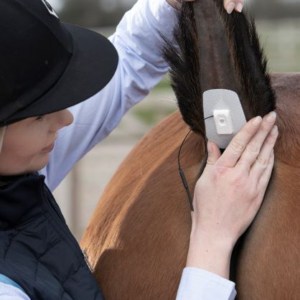
For safe and remote temperature monitoring the VetTrue System from Epona Biotec offers real-time, accurate, non-evasive temperature monitoring for horses, every 5mins direct to your phone, anywhere in the world.