

Tying – Up Syndrome
Some horses are professional athletes, some are trusted companions and exercise buddies, some are delightful lawnmowers, but most horses are required to undergo strenuous exercise occasionally, and mostly at a time of our choosing. As horses are ultimate athletes this is usually accomplished with no problems, but if we ask too much of a horse without adequate preparation, we can put them at risk of severe muscle injury. This article looks at the most common muscular condition encountered in the equine athlete.
Clinical Signs of Tying-Up
Tying up syndrome is a condition where the large muscles of the hindquarters become very stiff and painful either during or immediately after exercise, causing the horse to shorten stride and slow up, eventually becoming immobile and showing signs of severe pain; sweating, breathing quickly, and often with an increased pulse. While most cases of Tying-Up are easily recognisable given the above signs, there can be a spectrum of severity. Some horses exhibit less dramatic signs of muscle stiffness and difficulty loosening-up during exercise which have been given the term ‘sore muscle syndrome’.
Tying-Up has been recognised for hundreds of years in working horses both pulling the plough and carrying warriors into battle. It has been called several different names over the decades, including ‘Set-Fast’ (puts us in mind of a concrete statue), and my favourite, ‘Monday Morning Disease’.
Causes of Tying Up Syndrome
The old term ‘Monday Morning Disease’ is a useful starting point as it hints at the basic causes of the muscle cramping and damage seen during attacks of Tying-Up.
If a horse is performing a certain amount of work during the week but is laid off over the weekend on a full dietary allowance, the horse’s muscle cells will store the energy from the food in the form of a molecule called glycogen (basically a glucose store). If the horse goes back out to hard work on Monday morning these large energy stores are rapidly burnt up inside the muscle fibres. This massive release of energy and heat inside the cell disrupts the muscle cell membrane, causing the muscle damage we see clinically as stiffness, pain, and immobility.
The muscle cell damage is at least partially caused by the production during metabolism of molecules called Reactive Oxygen Species, (ROS). These are very active chemicals containing forms of oxygen which can damage the cell membrane and the cellular DNA. The process by which these chemicals damage muscle tissue is called oxidative stress. To combat these substances the horse needs an adequate supply of vitamins and enzymes known as antioxidants.

Tying-Up is known clinically as Exertional Rhabdomyolysis or ER. Rhabdomyolysis means ‘muscle splitting’ so the term is quite descriptive.
ER occurs in horses being exercised at or above their maximum fitness level, when the muscle cells are burning energy quickly. Exercise and fitness levels need to be built up gradually, to accustom the muscles to the metabolic demands placed upon them. If the diet contains too much easily available carbohydrate energy (hard feed) then the risk is increased. Dehydration from hot weather, excessive sweating causing electrolyte imbalances, and vitamin/mineral deficiencies can also predispose to ER occurrence.
Management of an ER episode
If the horse is in discomfort, veterinary attention should be sought as the clinical signs of ER can look very similar to several other conditions such as colic or acute laminitis. The findings of hard muscles, elevated heart rate and reluctance to move in the box will point to the correct diagnosis. A blood test will be taken which will show very high levels of two substances which are released from the damaged muscle cells. These are called CK and AST. The higher the levels, the greater the muscle damage.
Treatment is centred on rest and making the animal comfortable while the muscle pain and cramping subsides. An appropriate level of pain relief is essential, and sedation of the more distressed animal may be indicated. If the animal has sweated a lot and is dehydrated, oral or even intravenous fluids with electrolyte supplementation will be necessary. The horse is rested for a few days and then turned out to a small paddock. Recovery of the damaged muscle can be monitored by sequential blood testing to see the CK and AST levels returning to normal. Only then can a gradual return to exercise begin.
Acute vs Chronic ER
Any equine athlete can have an attack of ER, just from ‘bad luck’. This is called Acute ER. It is relatively common in Thoroughbreds and Polo ponies, where between 5% -10% of animals have an episode each year. Sometimes however, a horse can have a problem with ER occurring repeatedly despite all dietary and training precautions being taken. These cases are referred to as Chronic ER and are thought to indicate an underlying problem in the individual horse’s muscle metabolism. There are also some forms of Chronic ER which have a genetic basis and can be inherited in certain breeds such as Quarter Horses and Arabs.
Prevention of ER
As the underlying cause of ER is a combination of excess energy storage with over-exertion, the main preventative strategy will involve diet and training. A gradual fitness and conditioning programme combined with sound dietary formulation will minimise problems with ER. For horses requiring hard training and therefore a high plane of nutrition, traditional feeding methods rely on high-energy starchy feeds to provide the calories needed for fast work. The rapid digestion and sudden energy boost of these feeds can contribute to muscle soreness and ER in some horses. Replacing a large percentage of the starch in the diet with slower-release feeds such as fibre and fats can yield significant benefits in an ER-prone animal. The lower starch formulation will also be a ‘cooler’ diet for stressy horses, which can be a contributing factor for ER.
Care when exercising in hot weather, preventing dehydration, maintaining good blood electrolyte levels, and ensuring adequate intake of certain minerals and vitamins (especially Selenium and Vitamin E) are essential in the performance animal.
John Henderson MRCVS
For support with tying-up view our recommended products.
Lactabolase 100G
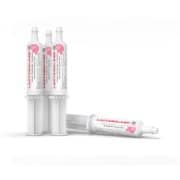 To address issues which may arise from the build up of lactic acid post exercise
Lactabolase 100g Syringe supports the metabolism of lactic acid and the removal of toxins from the body. Formulated to support muscle function and health, and to support the horse’s athletic condition during intense and prolonged schedules of exercise.
For more info
Kilotone 5.8L
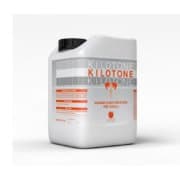 Oil blend with B vitamins and vitamin E
Kilotone is a unique blend of high quality Soybean and Cod Liver Oils, B vitamins and vitamin E to support health and vitality. Kilotone provides energy and calories (900kcal/kg) by means of long-chain polyunsaturated fatty acids without producing lactic acid. During exertion, their oxidative deterioration in the muscle releases large amounts of energy, without producing lactic acid.
For more info


