
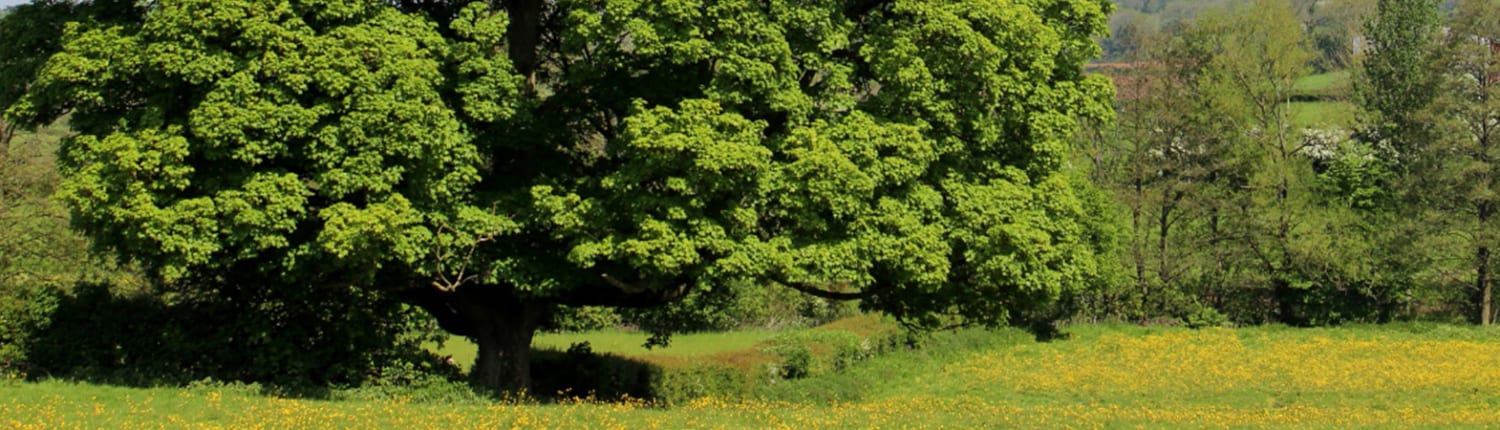
 Sycamore Poisoning in Horses: Recognising the Hidden Danger
With the tail end of the year rapidly approaching and Christmas (there I said it) firmly set in the crosshairs, we welcome cool, frosty mornings and the crunch of leaves beneath our feet. However, amidst this seasonal joy, a hidden danger looms – Sycamore Poisoning. Yet, why is this such a problem and can anything be done to prevent possible events in our equine friends?
What is Equine Sycamore Poisoning?
Otherwise known as atypical myopathy, sycamore poisoning results from the consumption of sycamore leaves (wilted or decayed leaves) or seeds. A toxic substance called Hypoglycin A is found in the seeds and leaves of the sycamore tree. Unfortunately, it is unclear as to how much of this toxin needs to be ingested for it to cause a problem, and some horses are more susceptible than others.
Seeds and leaves will obviously be deposited closer to the base of trees, but the “helicopter” shape of sycamore seeds enables them to be carried on the wind for large distances. This can result in a considerable quantity of seeds being deposited on certain pastures.
How does sycamore poisoning affect horses?
Hypoglycin A causes energy production in muscle cells to slow or completely stop. This particularly affects the heart and those muscles which enable the horse to stand and breathe. An early diagnosis and prompt veterinary intervention is critical in treating affected horses. Various sources quote the fatality rate as somewhere between 50 and 90% depending on the severity of symptoms and the stage at which a diagnosis is made. Possible symptoms include:
- Dark urine
- Muscle weakness and tremors
- Lethargy
- Colic-like signs
- Laboured breathing
- Rapid heart rate
- Incoordination and collapse
What symptoms should I look out for?
Probably the most consistent, or typical, symptom seen is the passing of dark or “blood-like” urine. This is referred to as Myoglobinuria and occurs because of muscle breakdown. Seeing this in combination with some of the other possible symptoms is sufficient to make a presumptive diagnosis of exposure. Vets may measure levels of creatine kinase (enzyme released from damaged muscle cells) in the blood to assist with this process. It is also worth checking the pasture where the affected horses were grazing for any evidence of sycamore seeds or leaves.
Diagnosis of this condition can be confirmed by a blood test that looks at levels of HGA in the blood, but there appears to be very few laboratories that offer this service. It is however possible to send samples for analysis to the Royal Veterinary College in London.
The success or failure of treatment will depend on how much toxin has been ingested and how far the damage has progressed. Treatment will typically consist of supportive care including intravenous fluids and medications to address muscle issues, liver damage, and any other symptoms that may be present. In some severe cases, hospitalisation of the affected horse may be necessary.
How can I protect my horse(s)?
Pasture management plays a critical role in protecting horses from exposure to this potential deadly toxin. Avoid the overgrazing of pasture located near sycamore trees and reduce stocking density to ensure a plentiful supply of grass. There has been some suggestion that a “paddock vacuum cleaner” (or a leaf blower/vacuum) could be employed where grazing is limited to reduce the volume of leaves and seeds present. Fencing off the immediate areas surrounding sycamore trees will limit potential access to seeds and leaves. However, given the nature of the seeds and their ability to be dispersed over large distances, it is virtually impossible to completely eliminate all potential exposure.
In certain circumstances it may also be necessary to provide access to additional forage (i.e. hay or haylage). When making hay (or haylage) consideration should also be given to the potential presence of sycamore leaves and seeds. Of course, we do not want to preserve these toxic substances and invariably be feeding them to our beloved horses.
As horse owners, it is our duty to be vigilant to the presence of sycamore trees in and around our pastures and thereby take the necessary steps to minimise the risk of toxicity. If you suspect, or are worried about sycamore poisoning, early intervention is crucial to improve the chances of a successful outcome. If in doubt, don’t delay in seeking veterinary care or advice.
Ian Rountree MVB
If you would like to learn more about equine health and nutrition you can explore our library of Expert Articles.


