From Field to Fit – The 7 Point Checklist
FROM FIELD TO FIT- STARTING OFF ON THE RIGHT FOOT
by Rebecca Flynn Equine Musculoskeletal Therapy + Rehab
When you bring your horse back into work following a break how do you decide on a plan for them going forward? Would you feel confident in assessing your horse and planning to ensure you get the right balance between building fitness and building muscle?
Whether it be a foal, yearling, or older horse, every horse needs to be assessed individually to create an effective plan from the start. It is important to identify the horse’s strengths and weaknesses to ensure the plan is successful in getting your horse to the point at which you need them, whether that is for leisure, eventing, show jumping, dressage or racing.
Starting off on the right foot is vital for the wellbeing of your horse, not only in planning the exercise regime but also for the horse’s nutrition, its farrier, its veterinary, and its dentistry needs. Your horse cannot work effectively, with good energy and build good muscle, without the correct diet. You should always look at this with your nutritionist from the beginning. The farrier is also vital to ensure your horse is well balanced and comfortable before work commences. Vet clearance is also vital to ensure there’s no issues especially in cases where an injury has forced the break from exercise.
When returning to work there are several things that need to be taken into account when making a strength and conditioning plan:
7 Point Checklist Strength and Conditioning plan
- The age of the horse – young horses are still growing, while older horses may have niggles from the strains of working over the years.
- How long has the horse been on a break? Horses do not de-train as quickly as we think. Horses who have been off for 1-2 months will still maintain some fitness and muscle.
- Has the horse sustained an injury/had surgery/recovering from illness? Whether the horse has sustained an injury will also decide what plan is put in place once cleared by the Vet.
- Is this a competitive horse or a leisure horse? Often time is of the essence with competitive horses and although not ideal the plan often will then be more intense.
- Look at each horse’s strengths and weaknesses (conformational weakness/ behavioural weaknesses e.g box walking etc); We should be aiming to improve every horse’s weaknesses as effectively as possible to ensure we keep them fit and healthy.
- The rider’s strengths and weaknesses are often forgotten and should be included in the assessment. For example, does the rider have any musculoskeletal weaknesses? It is widely recommended that the rider should have regular physiotherapy treatments. Rider weaknesses are often transferred down to the horse resulting in tightness in certain areas, in turn resulting in compensatory changes etc.
- Look at what you have to work with; Horses are an expensive hobby or career so we do not want to make a plan that is going to involve buying lots of new equipment. A plan can be easily made to get your horse ready with what you already have.
There are many other factors that contribute to the plan put in place. The above are the main things we look at first.
While every horse is different, there is one common thing that is important to remember – no horse should be rushed or pushed beyond the limit of what they are capable of, irrespective of whether it is a child’s pony or a top racehorse/sport-horse. Pushing a horse too far too soon after returning to work is predisposing your horse to injury. Muscles can gain strength quite quickly, but if you are working your horse beyond their level of fitness, muscles will become fatigued and this will result in a loss of muscle elasticity. This will in turn loosen the support system (tendons/joints/ligaments etc) and will result in the overall system being put under pressure. Your horse’s whole musculoskeletal system has to work cohesively in order for it to work effectively, so if one part of the system is broken or under pressure, the whole system is under pressure. Horses who are worked beyond their fitness level are often seen pulling out stiff and sore the following morning. It can often get overlooked or ignored, as once the horse warms up it often improves, but such initial stiffness/soreness is not normal. Any horse returning to work should be brought back slowly, a process that may often need to be even slower when an injury has been rehabbed, than when returning from a field break. A lot of problems we see, for example, poorly built muscle, not holding weight, behavioural problems when ridden, may often not have occurred if the horse had been assessed and an appropriate exercise/nutrition/dentistry/farrier plan drawn up.
For horses that are competing professionally or at a high level, there is often a conflict between their race or event schedule for the season, and the plan to have them fit and ready – the pressure to get competing, and stay competing, is always there. I have already outlined the importance of allowing a horse sufficient time to return from a break, and in addition to that, every horse needs down time and a break from competing at some point in each year. The alternative is often poor musculoskeletal health and/or injury.
The next time you pull your horse back in from a break ask yourself this question; How do you feel after you take a break from exercise/riding and then do a little too much too soon on your return? Most often than not, the following day we struggle to make it up off the chair because our muscles are aching. Our horses are no different and often we push them beyond the limit at which they are comfortable on return. They can’t tell us to stop, but we can increase our awareness, and tell ourselves to stop. We can all get a horse fit, but we should get them fit in a way that will avoid the negative side effects of too-much-too-soon, by taking the time to read the signs and assess the horse’s needs. Our horses are not machines and we should try our best to support them along the way.
For further information on #musculoskeletalhealth contact Rebecca Flynn on Rebecca Flynn Equine Musculoskeletal Therapy + Rehab on email or facebook

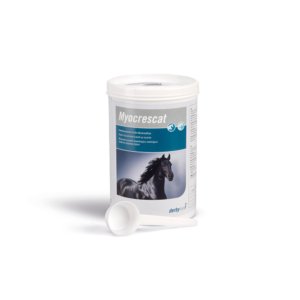
For support with your horse’s musculoskeletal health and performance we recommend derbymed‘s protein concentrate, Myocrescat.