Laminitis in Horses: An Overview
Laminitis is a very detrimental condition, with the Royal Equine College relating more than 7% of equine deaths to laminitis. It is incredibly important to understand what this condition is, how it impacts your horse and the management methods to prevent and care for it.
Laminitis occurs when the tissues supporting the pedal bone in the horses’ hoof – the laminae – become inflamed and weakened. The inflammation of the laminae causes them to stretch causing damage and the pedal bone to begin to rotate towards the hoof sole.
Depending on the severity of laminitis, symptoms can range from mild foot discomfort to serious cases of founder where the pedal bone separates and falls through the foot. The front hooves are most affected as they support 60% of the horse’s body weight.
Symptoms of laminitis in horses include:
- Increased hoof temperature
- A strong pounding digital pulse
- Unwillingness to move
- Lameness (severe or subtle)
- Shortness or stiffness of stride
- Discomfort (shifting weight) and in severe cases a “sawhorse stance” where they shift their weight backwards off their toes.
- Changes in temperament
- Cleft at coronary band; and growth rings on the hoof from previous laminitic bouts
Different Types
Laminitis comes in three main forms. The most common is hormonal laminitis, triggered by underlying endocrine problems like Cushing’s Disease or Equine Metabolic Syndrome. This makes up a whopping 90% of laminitis cases. Inflammatory laminitis stems from diseases that cause widespread inflammation, like sepsis or colic, with the inflammation reaching the sensitive laminae in the hoof. Finally, mechanical laminitis results from abnormal weight overload on a limb. This can happen when a horse is lame on one leg for a long time, forcing the other leg to overcompensate and take on too much weight. Keep an eye on our future articles as we go through these in more detail!
Classes of laminitis
The mildest is classed as subclinical laminitis, where the laminae structure is slightly altered, but the horse is not presenting symptoms or only subtly.
Once lameness is apparent, it is diagnosed as acute laminitis. Keeping aware of your horse’s normal behaviour can greatly help in diagnosis, lameness is usually apparent here.
Finally chronic laminitis is classified when there are visible changes x-ray to the structures inside the hoof. Horses will be in a great deal of pain and can have visible changes in hoof growth. If laminitis reaches this stage, the animal is at high risk of continual bouts of laminitic episodes in the future. At it’s most severe laminitis, the pedal bone completely separate from the hoof wall and begins to drop towards the sole.
Risk Factors
There are a number of factors that can predispose a horse to laminitis:
A high body weight, obesity in equines can double the possibility of developing laminitis. Coupled with this is a diet of high levels of sugar and/or starch in large quantities. This can be supplied through lush pasture or disproportionate concentrate intake. An excessive amount of these can overwhelm the digestive tract, as undigested starch and sugar reach the hindgut where they rapidly breakdown. As a result, toxins enter the bloodstream and affect the sensitive laminae. A sudden change in management, usually seen at this time of year where horses are put out to lush spring grass can flood their digestive system and result in the above.
Specific breeds are at higher risk of laminitis such as the Native Breeds, especially Welsh and Shetland ponies. Arabians, Saddlebreds, and Spanish horses are also known to have a genetic predisposition to developing this condition.
Mechanical wear, such as compensatory weight on limbs due to injuries. Excessive concussion through the feet caused by work on very hard ground, i.e. concrete roads also can damage the laminae.
A major risk are the underlying Cushing’s Disease and EMS, which are often discovered secondary after laminitis diagnosis.
A retained placenta in broodmares has the possibility of triggering laminitis due to the subsequent inflammation in the body. It is important to check that the placenta has been passed fully.
Treating horse laminitis cases
Considering all the risks it is important to act proactively and implement preventative management methods for your horse, especially if it is already diagnosed.
Access to lush grass, especially in the spring and summer months should be limited, and when reintroducing horses to turnout it should be done gradually. During these months the new growth of grass is high is sugars. While it is prudent at this time of year, laminitis can occur anytime so overweight horses and ponies will need grazing restrictions all year round.
Diet should limit intake of simple carbohydrates. Horses can be fed poor quality hay but should have access to at least 1.5% of their body weight in forage. Steaming or soaking hay can also assist in removing as many carbohydrates as possible. Feeding only a balancer is a good way to minimise deficiencies in vitamins or minerals without the excess calories. You should regularly body score your horse and use a weigh tape to notice weight changes. Regular exercise will keep your horse fit and is necessary for weight management, however this should be done at a level your horse can manage.
Hormonal conditions can be treated with medications, but this should only be done when consulting a vet, and if you are concerned your vet will be able to test for any underlying conditions with a blood sample.
Finally working with a reliable farrier for proper shoeing or trimming will keep hooves in optimum condition. For further reading go to our article Exploring Laminitis with an Expert Farrier.
By Erin Henderson.
Our team of ARKequine experts will be diving deeper into all aspects of laminitis discussed above, so make sure you follow us on social media and check back over the next couple of weeks to learn all about laminitis!
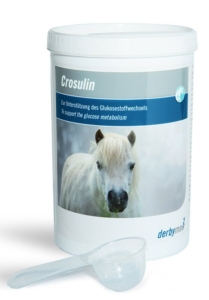
Crosulin is a dietary supplement developed specially for animals with laminitis, EMS and equine cushings disease. This product supports the harmonisation of glucose in the body and consequently reduces disorders like laminitis. It focuses on regulating glucose levels and improving metabolic functions through its blend of chromium, L-carnitine, antioxidants, and selected herbal extracts. This combination is designed to enhance glucose uptake, support energy production, and promote overall equine health, making it a targeted supplement for laminitis and EMS treatment.
For more information on supplements for lamintis in horses go to Crosulin.