Successfully Living with Laminitis:
Long-Term Laminitis Management Strategies for Horses
Laminitis, a condition causing inflammation in the hoof’s sensitive laminae, can be a chronic concern for horse owners. While the initial episode requires immediate veterinary intervention, long-term management is key to ensuring your horse’s comfort and preventing future flare-ups. We look at key strategies for effectively managing laminitis in the long term:
Dietary Modifications
Diet plays a pivotal role in managing laminitis. Here’s what to consider:
- Restricting Non-Structural Carbohydrates (NSC): Sugars and starches found in grains and some forages can trigger inflammation. Opt for low-NSC hays like oat hay or teff hay. Soaking hay can further reduce NSC content.
- High-Fiber Forage: Fibre provides slow-burning energy and promotes digestive health. Grass hay with limited seed heads and chopped forage like chaff are excellent choices.
- Fat Supplements: Adding oil supplements to feed rations can provide sustained energy without the blood sugar spike associated with carbohydrates.
- Mineral and Vitamin Balance: Ensure the diet meets your horse’s specific nutritional needs without exceeding NSC levels. Where extra vitamins or minerals are required without wanting to increase sugar levels, it can help to include a multi vitamin liquid supplement such as Immunvital.
Maintaining Hoof Health
Regular farrier visits are essential for long-term laminitis management. You can read our interview with Master Farrier, James Stafford here. Some of the actions James recommended are:
- Trimming and Balancing: Frequent trims maintain proper hoof balance, reducing stress on the laminae.
- Therapeutic Shoeing: Specialised shoes can redistribute weight, elevate the heels, or offer additional support depending on the severity of the case. X rays may be used to guide shoeing decisions.
- Padding Materials: In severe cases, padding materials within the shoe can provide additional comfort and support.
Exercise and Weight Management
While exercise may seem counterintuitive, controlled movement can actually benefit horses with laminitis. Here’s how:
- Gradual Reintroduction: Once the acute phase has subsided, gentle exercise like walking on a soft surface can improve circulation and hoof health.
- Weight Control: Maintaining a healthy weight reduces strain on the hooves. Regular weigh-ins and adjustments to the diet and exercise plan may be necessary.
- Individualised Approach: The type and intensity of exercise will depend on the severity of the laminitis and your horse’s overall health. Always consult your vet before starting an exercise program.
Living Environment
The horse’s environment can significantly impact laminitis management:
- Turnout Management: Limit access to grassy fields, especially in spring when grass sugar content is high. Consider turning out in an arena, restricting field size or using a muzzle.
- Deep Bedding: Provide deep, soft bedding like shavings to cushion the hooves and promote comfort.
- Regular Mucking Out: Maintain a clean stable minimises the risk of infections that could exacerbate laminitis.
Monitoring and Early Intervention
Early detection of potential flare-ups is crucial for preventing laminitis episodes. Here’s how to stay vigilant:
- Digital Pulse Palpation: Regularly feel your horse’s digital pulse for signs of increased heat, which can indicate inflammation. Here is a quick video on how to do this.
- Observe Gait and Behaviour: Monitor your horse’s gait for any signs of lameness, stiffness, or discomfort. Changes in behaviour, like lethargy or reluctance to move, can also be indicators.
- Veterinary Checkups: Schedule regular checkups with your vet for evaluations and potential adjustments to the management plan.
Living with laminitis requires dedication and a multi-faceted approach. By working closely with your vet and farrier and implementing these long-term management strategies, you can significantly improve your horse’s quality of life and minimise the risk of future episodes.
Management of Laminitis
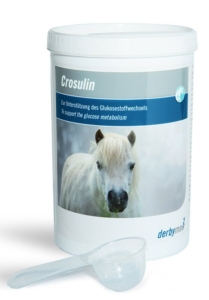
Crosulin is a dietary supplement developed specially for animals with laminitis, EMS and equine cushings disease. This product supports the harmonisation of glucose in the body and consequently reduces disorders like laminitis. It focuses on regulating glucose levels and improving metabolic functions through its blend of chromium, L-carnitine, antioxidants, and selected herbal extracts. This combination is designed to enhance glucose uptake, support energy production, and promote overall equine health, making it a targeted supplement for laminitis and EMS treatment.
Find out more here: https://ark-equine.com/product/crosulin/