

Nutritional Aspects of Stallions at Stud
The role of a stallion is to impregnate mares. Stallions may reach sexual maturity at around 14 – 15 months but do not attain full reproductive capacity until 3 years old. Sperm are produced in a continual cycle, the time for sperm to develop fully being around 57 days. The size of the testicles is an important indicator of the capacity of the stallion to produce sperm – the bigger the testicles, the greater the daily production of sperm. Testicle size, (and therefore the number of sperm stored in the testicles), increases until about 6 years old. Therefore, a younger horse cannot be used as frequently as an older one without sperm output per ejaculate falling. The stallion’s fertility should remain good until at least 12 – 15 years old, when testicular degeneration may begin to reduce sperm production. Many horses, if managed correctly, will retain excellent fertility until well past 20 years.
There are three main factors to consider when looking at how nutrition can impact the ability of a stallion to successfully impregnate mares.
- Sperm Quality
The cell membrane of the sperm contains a high level of omega-3 polyunsaturated fatty acids, in particular docosohexanoeic acid (DHA). Supplementation of the stallion’s diet with an optimum level of omega 3 fatty acids makes good sense, although the ratio of omega 3 and omega 6 fatty acids in the supplement is also important.
The high level of fats in sperm make it vulnerable to oxidative stress. The actions of Reactive Oxygen Species, (ROS), produced by normal metabolic processes can damage the mitochondria and DNA of the sperm cell. It is therefore important that the stallion has an adequate intake of dietary antioxidants. These scavenge the ROS molecules and limit the damage caused to the sperm cell. Vitamin E, Vitamin C, Carnitine, Selenium, Copper and Zinc levels should be carefully titrated in the diet.
2 Energy
The energy requirements of a breeding stallion are substantially above maintenance and may be similar to those of a horse in moderate work, (20 – 40% above maintenance). Stallions should be maintained in a moderate body condition score, neither too fat nor too thin. Overfat horses may suffer poor fertility due to poor thermoregulation of the testicles and poor libido. Stallions that tend to lose weight during the breeding season should be supplemented with extra calories to maintain an acceptable body condition score to support normal fertility.
Forage levels, hard feed, and high calorie oil supplements should be adjusted to give an ideal energy intake for each horse, all the while maintaining gut health, temperament, and mobility.
3 Musculoskeletal System
Covering mares requires considerable flexibility and athletic prowess from the stallion. Any muscle weakness or joint pain will considerably affect the horse’s ability to mount squarely, grip with the forelegs and thrust smoothly. The hocks, sacro-iliac region, back and neck are put under particular stress during the course of a breeding season. Older horses will have a tendency towards Degenerative Joint Disease, (DJD) and may have age-related muscle wastage. As these older, well-proven sires are often still popular, with a full book of mares, it is a priority to keep them strong and pain free during their busy season. A diet designed to keep muscles healthy and supplied with the essential amino acids for growth and repair is vitally important. Joint supplements targeted at maintaining cartilage and synovial tissue integrity should be routinely incorporated into the stallion’s nutrition.
Summary
The breeding Stallion is a reproductive athlete, and his nutrition needs to be planned with the same attention to detail as the diet he received in his days on the track. Maximising his chances of successful impregnations at each covering will reduce his seasonal workload and thus extend his career at stud.
By John Henderson, MRCVS
To support your stallion during the breeding season we recommend ACME’s Spermafert
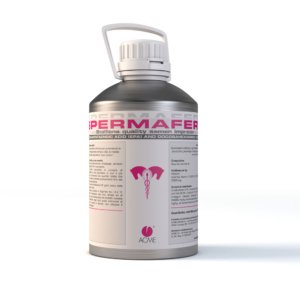
It is ideal to support fertility.
Spermafert helps to promote spermatogenesis and the quality of the ejaculate, which aids fertility of the stallion. In particular, it supports daily sperm production and the percentage of live spermatozoa with a normal morphology.
Spermafert It supports motility after semen thawing or refrigeration, particularly in stallions considered to have poor semen quality post thaw.
For more information on our breeding products click here


