
Preparing your Horse for Seasonal Changes
As the warmth of summer gives way to the cooler days of autumn, it’s crucial to prepare your horse for the upcoming seasonal changes. The transition from Summer to Autumn brings unique challenges, particularly in respiratory health and coat care. This article will guide you through the key steps to ensure your horse remains healthy and comfortable during this period.
Respiratory Health: Guarding Against Autumn’s Chill
The change in temperature as Summer shifts into Autumn can be challenging for horses, particularly in terms of respiratory health. Cooler temperatures often mean more time spent indoors, where dust, mold, and other allergens can accumulate, increasing the risk of respiratory issues such as heaves or asthma.
Ventilation and Stable Management – Maintaining good ventilation in stables is crucial. As the weather cools, many owners close stable windows and barn doors to try and keep the wind out and the heat in, but this can lead to poor air circulation, trapping dust and ammonia fumes. Ensure your stable has adequate airflow without subjecting your horse to drafts. Using low-dust bedding and regularly cleaning the stable can further reduce airborne irritants.
Monitoring and Preventive Care – Keep a close eye on your horse for any signs of respiratory distress, such as coughing, nasal discharge, or laboured breathing. Early detection is key to preventing more serious issues. Consult your veterinarian about using respiratory supplements or medications if your horse is prone to respiratory conditions. Vaccinations, particularly for equine influenza, should also be up-to-date as your horse’s immune system may be more vulnerable during seasonal transitions.
Nutritional Adjustments: The Importance of Copper During Coat Changes
As the seasons shift, your horse will begin to grow a thicker winter coat. This process places additional demands on their nutritional intake, particularly when it comes to trace minerals like copper, which plays a vital role in coat and overall health.
Copper’s Role in Coat Health – Copper is essential for the production of melanin, which gives the coat its colour and supports the growth of a healthy, shiny coat. A deficiency can lead to a dull, rough coat, or difficulty in moulting. Copper is also needed for the production of keratin, which effects the quality of hair and hooves. Often horses lacking in copper will have brittle or crumbly hooves along with a brittle or dry coat. During the Autumn months, as your horse’s coat thickens, their copper requirements may increase.
Balancing Copper Intake – While copper is essential, it’s important to ensure that your horse receives the correct dosage. Too much copper can be toxic, leading to liver damage, while too little can result in a lacklustre coat and compromised health. The recommended daily copper intake for an average horse is between 100-125 mg per day, depending on their size and workload. To ensure your horse is getting the right amount, consider supplementing their diet with a balanced mineral supplement that includes copper, particularly if they’re on a forage-based diet that may be low in trace minerals. Always consult with a veterinarian or equine nutritionist before making any changes to your horse’s diet. We at ARKequine have developed a specialised copper paste, with added iodine to assist in the absorption of copper. Read more about Copper Pro Paste here.
Seasonal Diet Adjustments – As the weather cools and pasture growth slows, you may need to adjust your horse’s diet to ensure they receive adequate nutrients. High-quality hay should replace or supplement the diminishing grass, and adding a fortified feed or mineral supplement can help meet their increased nutritional needs during coat change and colder weather.
Preparing your horse for the transition from Summer to Autumn involves proactive management of their respiratory health and ensuring they receive the correct nutritional support, particularly in the form of trace minerals like copper. By paying attention to stable ventilation, pasture conditions, and your horse’s dietary needs, you can help them smoothly transition into the cooler months, ready to face the challenges of autumn and winter with a healthy coat and strong respiratory system.

Respimin
Respimin is recommended for the maintenance of a healthy respiratory tract in animals that have a history of RAO and respiratory allergies.
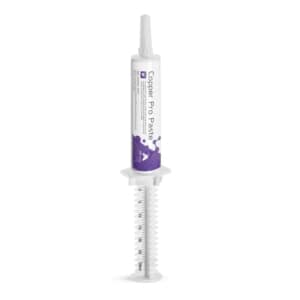
Copper Pro Paste
Quality chelated copper and zinc with additional iodine for maximal absorption in a tube for easy administration.


