
Warning Signs: Recognising non dietary laminitis in horses
We typically consider the condition of equine laminitis in horses to be something occurring in our little fat ponies on account of breaking into the grain store or a field of lush grass. However, it has been shown that hormonal causes, such as EMS (equine metabolic syndrome) or Cushing’s disease, are responsible for up to 90% of all laminitic cases. Yet, what are some of the other scenarios whereby a laminitic episode may be triggered? Read further to recognise non dietary laminitis in horses
Stress-induced equine laminitis
Stress is a major factor whose influence should not be overlooked. While the exact pathways may not be fully understood, stress can disrupt hormonal balance, compromise immune function, and lead to changes in blood flow, all of which can contribute to the development or exacerbation of laminitis. Typically, a stressful event may trigger the release of corticosteroids from the adrenal gland which causes vasoconstriction, or narrowing of blood vessels, and subsequently reduces blood flow to peripheral tissues, including the hooves. Decreased blood flow to the sensitive laminae of the hoof can lead to ischemia (lack of oxygen) and tissue damage, thereby contributing to laminitis.
Laminitis from Sickness
Another potential trigger or source of laminitis arises from conditions or illnesses, such as retained foetal membranes, enterocolitis, colic etc, that are associated with sepsis or endotoxaemia. In such conditions, the release of endotoxins into the bloodstream triggers a massive inflammatory response as the immune system reacts. This response can cause significant changes in blood flow and compromise the microcirculation within the hoof that can lead to damage of the sensitive laminae. Subsequently this may contribute to the development of laminitis.
Mechanical laminitis
Mechanical forces are also a potential source for developing laminitis. Concussion or trauma to the hoof is a primary example of mechanical forces leading to a laminitic event. This can often be referred to as “road founder” and occurs as a result of repeated over-exertion on hard surfaces or roads. Abnormal weight bearing or compensatory laminitis may occur as a result of uneven distribution of weight and pressure on the hooves, for example, injury to a leg which results in the opposite leg supporting the horses’ weight.
As we can see, there are an array of triggers or reasons as to why a horse may develop laminitis. Prompt treatment and understanding the inciting cause of laminitis is important to minimise any potential damage. Unfortunately, recurrent episodes are possible and if the laminae are repeatedly damaged this poses an increased risk for complications and the potential for the pedal bone to rotate.
The points will help you recognise non dietary laminitis in horses.
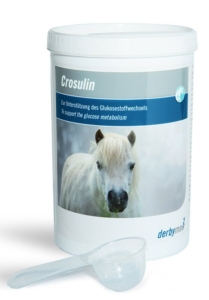
Crosulin is a dietary supplement developed specially for animals with laminitis, EMS and equine cushings disease. This product supports the harmonisation of glucose in the body and consequently reduces disorders like laminitis. It focuses on regulating glucose levels and improving metabolic functions through its blend of chromium, L-carnitine, antioxidants, and selected herbal extracts. This combination is designed to enhance glucose uptake, support energy production, and promote overall equine health, making it a targeted supplement for laminitis and EMS treatment.
Find out more at Crosulin.


