

An Owner’s Guide to Understanding Cancer in Dogs & Cats
What Is Cancer?
Cancer happens when the body is no longer able to regulate cells and some of the body’s cells start to grow and multiply out of control. These cells can then change the way they behave, and they don’t act like normal cells anymore. These abnormal cells can form a lump (tumour or mass) or affect the blood or organs. Some cancers stay in one place (localized), while others spread to other parts of the body (metastasis). There are many different types of cancer, depending on the cell type. Some cancers are aggressive, but others are slow-growing and manageable.
What to notice in Dogs
Cancer is common in older dogs and it is estimated that 1 in 4 will develop cancer at some stage of their life.
Some signs include:
- Persistent lumps, bumps, swellings or masses that grow. These may bleed or ulcerate
- Changes in appetite and/or unexplained weight loss
- Changes in behaviour, including low energy or sleeping more than usual
- Trouble eating, swallowing, or breathing
- Bleeding from the mouth, nose, or other areas that you wouldn’t expect
- Limping or pain when walking
- Persistent sores or skin changes
Large breeds, like Golden Retrievers, Boxers, and Rottweilers, may be more prone to certain cancers. Not all lumps are cancer — but it’s always best to get your vet to check them.
What to notice in Cats
Changes in cats can be more subtle, and so sometimes can be harder to notice as cats are good at hiding signs like pain.
Some signs include:
- Unexplained weight loss despite eating normally
- Decreased grooming or a greasy/unkempt coat
- Changes in behaviour, for example sleeping in unusual places or being withdrawn
- Changes in litter box use, blood in urine or faeces
- Difficulty chewing or bad breath
- Lumps, swelling, or a bloated belly
How Is Cancer Diagnosed?
If your vet suspects cancer, they may need to:
- Examine your pet to feel for lumps/bumps or whether there is any organ enlargement
- Do blood tests to check organ function and overall health
- Perform X-rays or ultrasound to look for tumours
- A biopsy or fine needle aspirate. This is where a small tissue or cell sample is taken to identify what the cells are.
Diagnosing cancer early helps your vet understand what type it is and how best to treat it.
Cancer Treatment Options
Treatment for cancer depends on the type of cancer, how advanced it is, and your pet’s overall health. Some treatment options include:
- Surgery to remove the tumour
- Chemotherapy and this is usually much gentler in pets than in people
- Radiation therapy if available at your vet, and if not, they can refer to a specialist centre
- Palliative care involves managing pain and keeping your pet comfortable
- Nutritional support such as supplements, or immune-boosting therapies
Your pet’s cancer treatment will depend on your wishes. It’s always best to talk to your vet to discuss treatment options.
Prevention and Early Management
While not all cancers can be prevented, some steps can help to reduce the risk:
- Spay or neuter
- Avoid exposure to tobacco smoke and pesticides
- Keep your pet a healthy weight – obesity increases cancer risk
- Check your pet regularly for lumps and notice any behavioural changes
- Take your pet to your local vet for its annual health check or sooner if you have any concerns
Many pets with cancer can still enjoy a good quality of life, so if you notice any changes in your pet’s health or behaviour, don’t assume it’s just ‘old age’. It is best to speak with your vet because the sooner you act, the better.
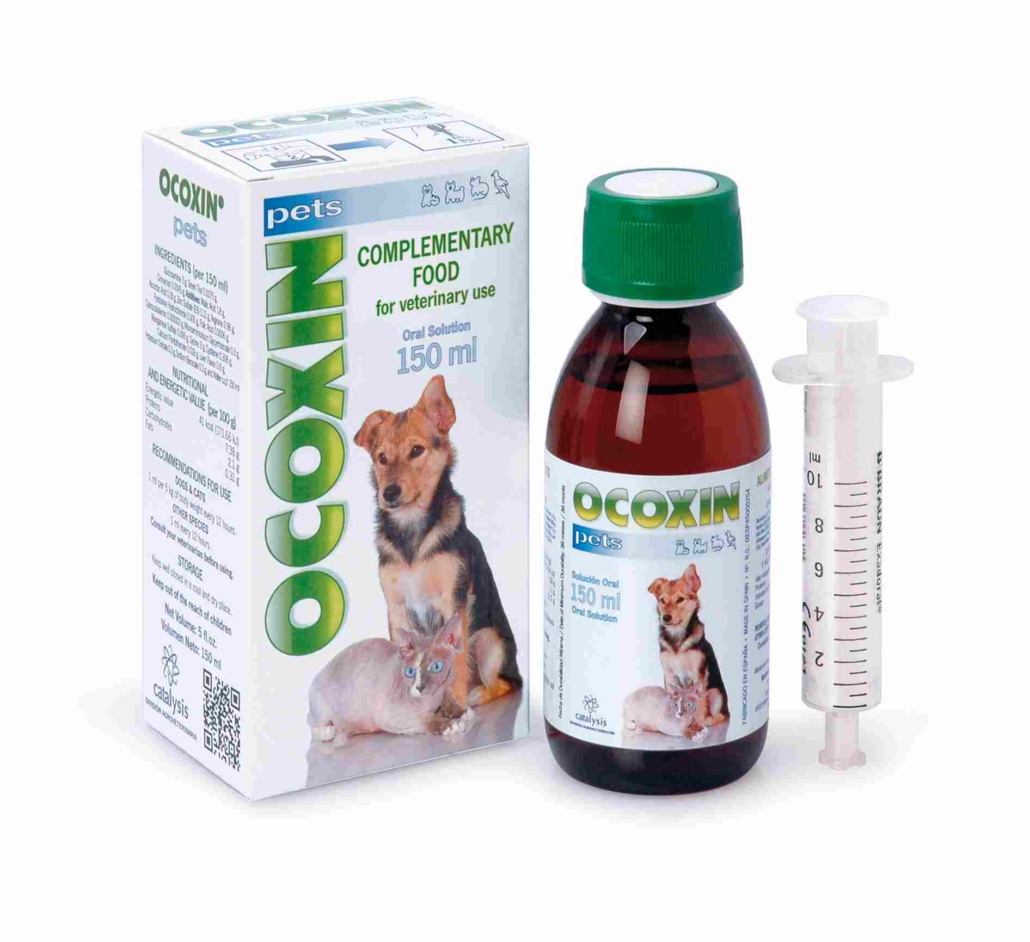
Ocoxin Pet is a next generation nutraceutical, high in activated antioxidants. Ocoxin has been designed to support quality of life for cancer patients, before, during & after treatment.
Oxidative stress is the total burden placed on organisms by the constant production of free radicals in the normal course of metabolism plus other environmental pressures.
Antioxidants can have a key role in neutralizing these free radicals and maintaining health and supporting the body at times of stress and illness.
Until now, pet owners have had limited options to support their pets when cancer has been diagnosed. Chemotherapy, pain relief and surgery are amongst common options currently offered. Ocoxin offers an additional support to the quality of life of their pet whilst undergoing treatments.
Ocoxin is a palatable oral liver flavoured liquid. It comes in a 150ml bottle with 10ml syringe.


