Unlocking the Power of Electrolytes: Supporting Hydration, Performance and Well-being
Electrolytes are of the utmost importance when it comes to the health and well-being of horses. They are responsible in some way for all the chemical reactions and pathways that sustain life. Maintaining adequate electrolyte levels is essential for all horses but particularly for active or working horses. These animals are at an increased risk of dehydration, muscle cramping, fatigue, and other performance-related issues.
What are electrolytes?
Electrolytes are essential minerals that carry an electric charge when dissolved in bodily fluids. There are 5 main electrolytes in the horse, including sodium, chloride, potassium, magnesium, and calcium.
What role do these electrolytes play?
- Sodium: important for fluid balance, nerve function, and muscle contractions
- Chloride: works alongside sodium to maintain fluid balance, regulates pH levels, and supports digestion
- Potassium: has a key role in nerve conduction, muscle function, and maintaining the acid-base balance
- Calcium: essential for muscle relaxation following contraction, blood clotting, and bone health
- Magnesium: necessary for nerve transmission, muscle function, and energy metabolism
These minerals are lost in various quantities through excretion from the body via, urine, faeces and sweat.
Why do horses sweat so much?
Put simply, a horse will sweat to cool down the body. As sweat evaporates from the skin it causes a cooling effect. The volume of sweat produced by a horse can vary significantly and will depend on multiple factors including environmental conditions, the type of work performed, and fitness levels of the individual. A horse can produce up to 15 litres of sweat an hour. This sweat consists of water, proteins, and electrolytes.
How many electrolytes are lost through sweat?
Sodium and chloride typically account for the largest amount of electrolytes lost through sweat, with other electrolytes being excreted at much lower amounts (see table below).
| Electrolyte | Per litre | Based on 15 litres of sweat produced in an hour |
| Sodium | 3-5 grams | 45-75 grams |
| Chloride | 3-5 grams | 45-75 grams |
| Potassium | 0.5-1 gram | 7.5-15 grams |
| Calcium | 0.05-0.2 grams | 0.75-3 grams |
| Magnesium | 0.05-0.2 grams | 0.75-3 grams |
What are the signs of an electrolyte imbalance in the horse?
As we can see above, a significant volume of electrolytes is lost through sweating. Since they are heavily involved in the regulation of fluid balance, one of the principal signs of electrolyte imbalance is dehydration. We may see this as a dull coat, sunken eye, or even dark/concentrated urine. Electrolyte loss can further impact the horse’s ability to dissipate heat effectively, thereby increasing the risk of heat stress or heat-related illness. Muscle fatigue can be commonly seen and in severe cases, we may even see “Tying-Up” (also known as azoturia). Tying-up is an extremely painful condition characterized by severe muscle pain, stiffness, and a reluctance to move.
When should horses be given electrolytes?
Where a normal diet of forage may provide sufficient levels of electrolytes for those horses grazing, it is not likely to be sufficient for those involved in heavy work or competition (particularly in warmer or humid environments). As a rule of thumb, electrolytes should be supplemented following any event that results in an increased amount of sweating. Depending on the individual, this could be because of any stressful events.
Performance horses (i.e., cross-country, endurance, racing, show jumping) in particular require electrolyte supplementation after competition. The great physical exertion that is required for competition results in large volumes of electrolytes being lost. Horses involved in high-intensity exercise can continue to sweat for an hour or more after the activity. This means a horse can become further dehydrated and a greater electrolyte imbalance may develop. Supplementing electrolytes immediately after a competition/event facilitates a faster and better recovery for the animal. In doing so, this reduces the possibility of complications whilst enabling a quicker return to performance.
Adding a daily electrolyte supplement will not have the effect of “loading” the horse’s system. Any unrequired or excess electrolytes will be excreted from the body. Providing daily supplementation for those horses that require them will ensure that any electrolytes lost during training or competition will be readily replaced.
What is the best way to give an electrolyte supplement?
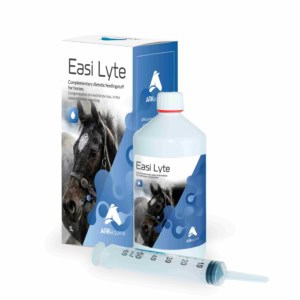
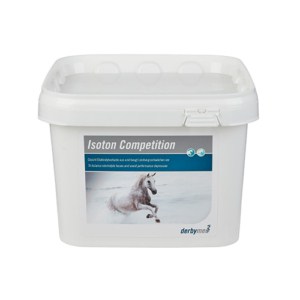
Supplemental electrolytes can be given in a variety of forms, including powder, liquid, and paste. Both powder and liquid forms can be easily added to feed, whilst a paste provides a good alternative for administering electrolytes to those fussy eaters or if additional supplementation is required on the go.

Administering electrolytes to horses without water could run the risk of worsening dehydration. Without water, rather than being absorbed, electrolytes may sit in the gastrointestinal tract and draw water from other compartments leading to a greater degree of dehydration. Having access to an adequate supply of clean water is essential to minimise this. Remember, water is the single biggest nutrient that our horses consume, and its importance should never be overlooked.
It is worth noting that by prioritising electrolyte management, it is possible to support your horse’s optimal performance and overall quality of life.
Ian Rountree MVB