

Cognitive Dysfunction Syndrome: Understanding Brain Aging in Dogs and Cats
As our pets grow older, they go through life stages just like we do. Cats are considered mature between 7–10 years, senior at 11–14, and geriatric once they reach 15 or older. For dogs, it depends on their size. Smaller breeds generally live longer, while larger and giant breeds age more quickly. That means a Great Dane might be considered senior at 7 or 8 years, while a Terrier may not reach that stage until 9–11 years.
With aging can come changes in the brain. Dogs and cats, just like humans, can develop a dementia-like condition called Cognitive Dysfunction Syndrome (CDS). It’s thought to be underdiagnosed, but it can affect a significant number of senior pets.
One of the big players here is something called oxidative stress. As pets age, their ability to neutralise to free radicals is thought to decline. Free radicals are unstable molecules that can damage cells if not kept in check. Normally, the body uses antioxidants (both those it makes itself and those it gets from diet) to balance things out. But when there aren’t enough antioxidants, damage can occur. Research suggests this oxidative damage can contribute to behavioural decline in dogs, in a way similar to Alzheimer’s disease in humans.
What does CDS look like?
Early signs can be subtle, which is why it’s often missed. But over time, certain behaviours may start to stand out:
- Disorientation: Getting “stuck” in corners, seemingly getting lost in familiar rooms, or looking confused in places they used to know well.
- Repetitive behaviours: Pacing, circling, or doing the same thing over and over with no clear reason.
- Changes in eating habits: Becoming fussy, sniffing food but not eating, or showing new food preferences.
- Sleep-wake cycle disruption: Often sleeping more during the day, becoming restless or noisy at night.
- House soiling: Forgetting toilet training or the location of the litter box, leading to accidents indoors.
- Altered activity: Less interest in play, wandering aimlessly, or showing unusual bursts of restlessness.
- Increased vocalisation: Meowing or barking more, especially at night.
- Behavioural changes: Becoming clingier, more anxious, irritable, or even aggressive — or sometimes withdrawing from people and other pets.
These shifts often develop gradually, and owners can frequently dismiss them as “just old age.” But recognising them early matters. Early management can improve quality of life and sometimes can slow progression.
What can you do?
If you start noticing these changes in your pet, don’t assume it’s due just to aging. Book a check-up with your vet. They can help rule out other health issues, discuss supportive care, and guide you on ways to make your pet’s senior years as comfortable and fulfilling as possible.
Growing older is part of life, but with awareness and care, we can help our pets stay happy, healthy, and connected for as long as possible.
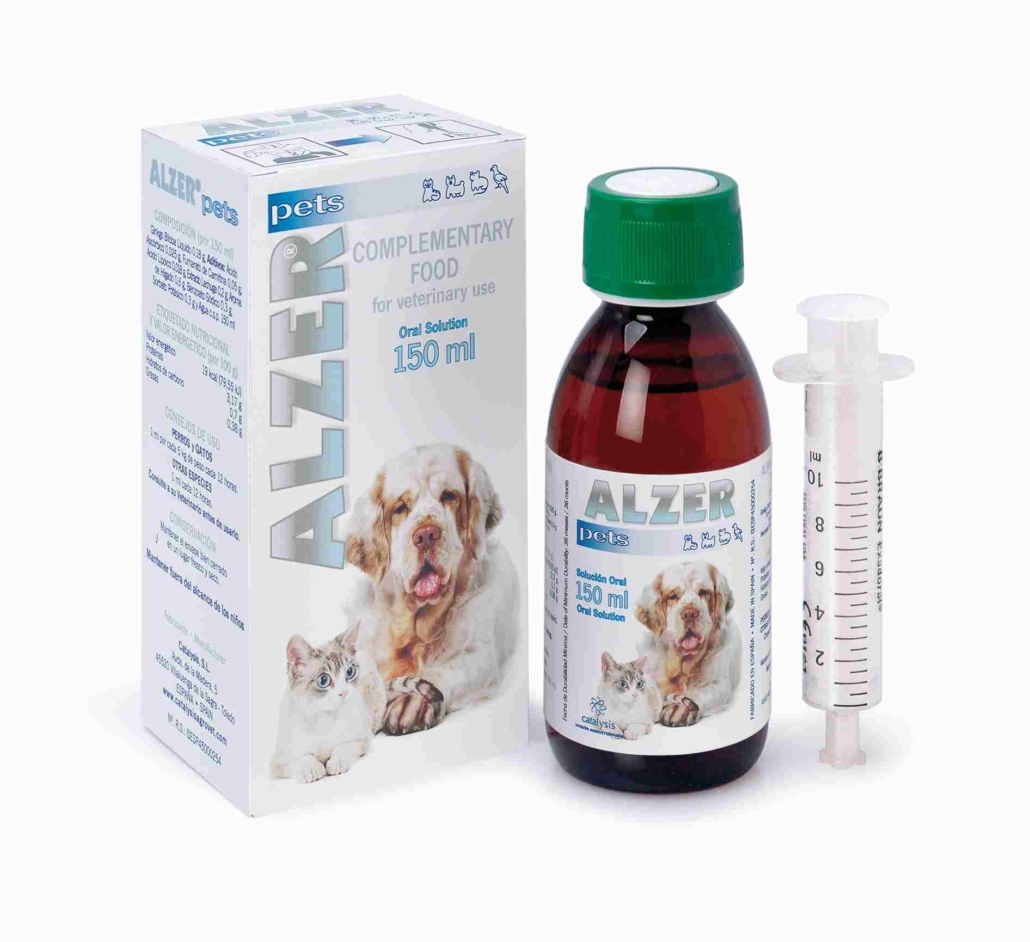
Alzer Pets is a nutritional supplement specially designed to help support brain health in elderly pets with cognitive impairment and dementia.
Alzer contains a unique combination of ingredients that have undergone a patented technology to enhance their efficacy. An excess of free radicals can lead to oxidative stress. Oxidative stress is now implicated as a contributory factor in many diseases, including neurodegeneration such as dementia.
Alzer contains antioxidants such as L-carnitine, gingko extract and lipoic acid to help neutralise free radicals.
Alzer is a palatable oral liver flavoured liquid. It comes in a 150ml bottle with 10ml syringe.


