Hoof Health Matters: Exploring Laminitis with an Expert Farrier
James Stafford has been a registered farrier for over 30 years with experience in everything from Shetland ponies to some of the top Thoroughbreds in Ireland. Now the resident farrier for Tattersalls Ireland, he is on site for some of the biggest sales in the country as well as the many events that Tattersalls host throughout the year! James has been involved with horses his whole life, coming from a racing yard he originally wanted to be a jockey, however, the interest in farriery took off! When asked how he started shoeing, James simply replied “I picked up a hammer!”. He went on to train with Ivor Winters, farrier to some of the stars of Irish showjumping such as Paul Darragh and Eddie Macken!
We asked James all about laminitis from a farrier’s point of view, to which he provided some excellent insights into treating the condition!
From a farrier’s perspective, what are the most common early signs of laminitis in a horse?
There are a few common signs I would see that would make me start to think laminitis might be setting in.
- Stiffness in the movement – While the animal might not be ‘lame’, you would definitely start to see a bit of stiffness or soreness moving on hard ground.
- Too much grazing in the field the animal is living on – If I drive into a yard and see the animal living out in a field full of grass, I would think it is only going to be a matter of time before laminitis becomes a problem.
- Changes in the hoof, such as sole dropping down because the pedal bone rotates/drops down – This is where knowing the internal structures of the hoof come in to play.
How can the severity of laminitis be assessed through hoof evaluation?
There are a couple of way I would assess an animal suspected of laminitis before the need for x-rays and other scans. First of all, it won’t want to walk. Then when made move, it will walk on their heels to take pressure off their pedal bone. It will also yield (react to pressure) across the sole area with the hoof testers.
Does the presence of laminitis typically affect your approach to trimming and shoeing a horse?
Big time – it’s tricky because the sole of the hoof is on the ground opposed to the wall of the hoof. That causes a lot of trauma for the animal so you have to trim the foot to relive a lot of pressure and make the animal comfortable.
Are there specific types of shoes or trims that are generally more beneficial for horses with laminitis?
I trim the foot accordingly and based on each specific animal. I leave the hoof barefoot for a period of time as putting a shoe on to early can create sole pressure. After 4/5 weeks, depending on the environment, I add an Egg Bar or Heart Bar Shoe to evenly balance the pressure on the hoof. These shoes have a bar across the heel of the shoe, nearly like a full circle shoe for want of a better way to describe it!
What are some potential complications or challenges you encounter when treating horses with laminitis through farriery?
Firstly, I would say the hoof is open to infections because when the pedal bone rotates it pushes down towards the sole and creates a cavity that fills with gas, which is a breeding ground for abscesses. Secondly, sometimes the owners not understanding the seriousness of the situation and not taking advice can be frustrating when you are doing your best to get their animal right again.
How important is collaboration with the veterinarian in developing a treatment plan for laminitis, and in what ways do you work together?
The vet would take x-rays to find out the extent the pedal bone has rotated and how far the animal has deteriorated in this condition. Once the vets takes x-rays, the farrier and vet work together to find a best fit treatment plan.
Can certain hoof care practices help prevent laminitis in susceptible horses? If so, what are your recommendations?
That’s tricky to answer because it depends on the animal themselves, I would definitely recommend to regularly shoe and maintain hoof care. I would also recommend if your animal is prone to this condition that you keep it on a strict diet.
What advice would you give to a horse owner who’s horse has recently been diagnosed with laminitis?
Assuming that is it dietary induced laminitis, I would recommend, firstly, controlling their diet. Reducing glucose levels and sugars in the diet is the first step to getting laminitis under control. Secondly, in my opinion exercise is very important because it keeps their blood circulating. Finally, keeping your animal both indoors and outdoors, using a bare paddock where they have to forage for their food – this keeps them moving.
In your experience, do you have any stories about severe cases on laminitis and how the horse has recovered through correct farrier care?
There are loads of them, I particularly remember a local horse called Sienna that got laminitis. It was a very severe case where the pedal bone penetrated through the sole of the foot causing massive infection to the animal’s hoof. I used a treatment as old as time, which was to introduce maggot therapy (maggots are a natural enzyme). These maggots produce enzymes that specifically target and break down dead tissues, leaving healthy tissue intact.
I put an aluminium plate over the shoe to block oxygen from coming in and out. I took the maggots out after a period of time and cleaned the foot with a hydrogen peroxide. I then put an Egg Bar Shoe on which made the horse more comfortable which then pushed the pedal bone back up. I told the owner to control her diet and put bran and Epsom salts in the animal’s food to detox and help blood circulate to the foot.
There are some much more effective ways to treat laminitis nowadays and I would never undertake such treatment without a vet at hand to ensure the animal’s health was never affected!
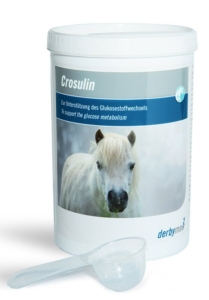
Crosulin is a dietary supplement developed specially for animals with laminitis, EMS and equine cushings disease. This product supports the harmonisation of glucose in the body and consequently reduces disorders like laminitis. It focuses on regulating glucose levels and improving metabolic functions through its blend of chromium, L-carnitine, antioxidants, and selected herbal extracts. This combination is designed to enhance glucose uptake, support energy production, and promote overall equine health, making it a targeted supplement for laminitis and EMS treatment.
Find out more here: https://ark-equine.com/product/crosulin/